1. How does knowing and respecting students as individuals affect instructional planning and assessment? How can you get to know students, the communities they are a part of, and their individual strengths and needs, to plan effective instruction and assessment? How will you create an inclusive classroom in your future professional practice, so every student can succeed?
2. Differentiation is not just for one specific population. Differentiation is meant to meet the diverse needs of all students.
Considering this information, how does differentiation benefit the needs of all students? Explain how you would differentiate for students during instruction to support individual students’ development, acquisition of knowledge, and motivation.
Sample Answer
Knowing and respecting students as individuals is the cornerstone of Culturally Responsive Teaching (CRT). When an educator moves beyond a "one-size-fits-all" mentality, the classroom transforms from a place of passive content delivery into a dynamic environment where students feel seen, valued, and capable of high achievement.
1. Impact on Planning, Assessment, and Inclusion
How Individual Knowledge Affects Planning and Assessment
Instructional Planning: Knowing a student’s "Funds of Knowledge"—their cultural background, hobbies, and prior experiences—allows you to create "hooks" for learning. For example, if you know a group of students is passionate about a local community issue, you can plan a civics or persuasive writing unit around that context. This increases relevance and intrinsic motivation.
Assessment: Standardized assessments can often contain cultural biases. When you respect students as individuals, you shift toward Multiple Intelligences in assessment. Instead of only a written exam, you might allow a student to demonstrate their understanding through a presentation, a physical model, or a debate, ensuring you are measuring their mastery of the concept rather than their mastery of a specific testing format.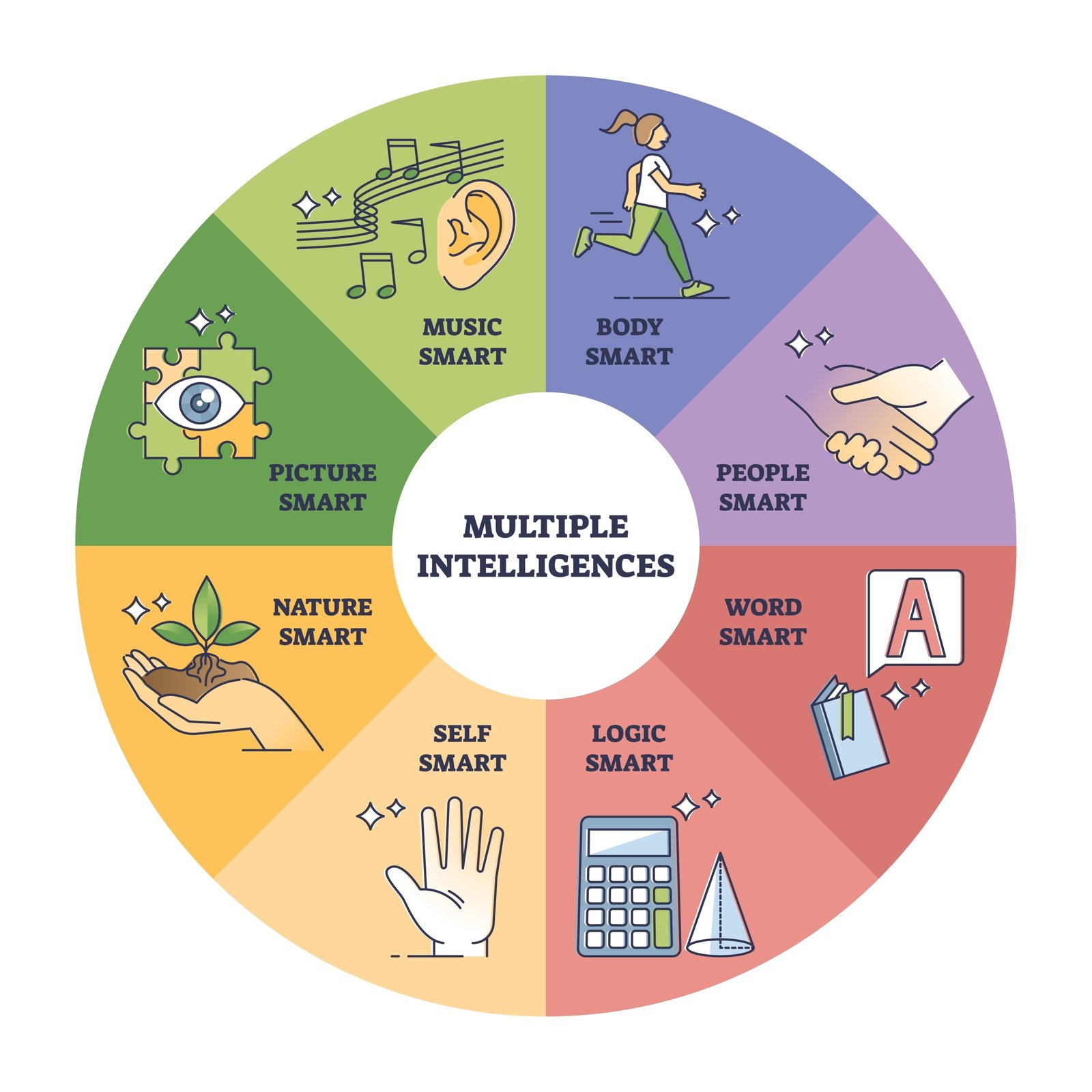 Shutterstock
Getting to Know Students and Communities
To plan effective instruction, I will use a three-tiered approach to discovery:
Interest Inventories: Conduct surveys at the start of the year asking about favorite books, home languages, and how they prefer to learn (e.g., quiet study vs. group work).
Community Immersion: Spend time in the neighborhoods where students live. Visiting local businesses and community centers helps me understand the daily realities and cultural assets they bring to school.
"I Wish My Teacher Knew": A regular, private check-in where students can share personal challenges or triumphs that might affect their school performance.
Creating an Inclusive Classroom
In my future practice, I will implement Universal Design for Learning (UDL). This means planning instruction from the beginning to be accessible to everyone, rather than "retrofitting" lessons later. This involves providing multiple means of representation (how info is presented), expression (how students show what they know), and engagement (how students are motivated).
2. Differentiation for All Students
Differentiation is the process of modifying content, process, product, or environment based on a student’s readiness, interests, and learning profile. It is a proactive approach that recognizes that a "middle-of-the-road" lesson often misses both the struggling student and the advanced learner.
How Differentiation Benefits the Needs of All Students
For Struggling Learners: It provides "scaffolding"—temporary supports like graphic organizers or sentence starters—that allow them to access grade-level content without becoming overwhelmed.
For Advanced Learners: It provides "enrichment" or "compacting," allowing them to dive deeper into complex topics or move ahead once they’ve mastered a concept, preventing boredom and disengagement.
For the "Average" Learner: It offers choices that align with their personal interests, which boosts engagement and helps them discover hidden strengths.